What Really Goes Into Building a Custom Website
folder_openWeb Design
commentNo Comments
From Concept to Launch: What Really Goes Into Building a Custom Website
In the digital age, a company’s website is often the first point of contact for potential clients, making it one of the most critical components of any brand’s presence. While pre-built templates and DIY platforms offer convenience, they rarely meet the complex demands of a business seeking performance, distinction, and long-term scalability. A custom website, on the other hand, is an investment in tailored strategy, functionality, and design—carefully constructed through a multi-phase process.
1. Discovery & Strategy
Every custom website project begins with a discovery phase, wherein the client’s goals, brand identity, audience demographics, and functional requirements are clearly defined. This stage includes stakeholder interviews, competitive analysis, and the creation of a project roadmap. The objective is to establish a strategic foundation that aligns the website’s purpose with measurable business outcomes.
2. Information Architecture & Wireframing
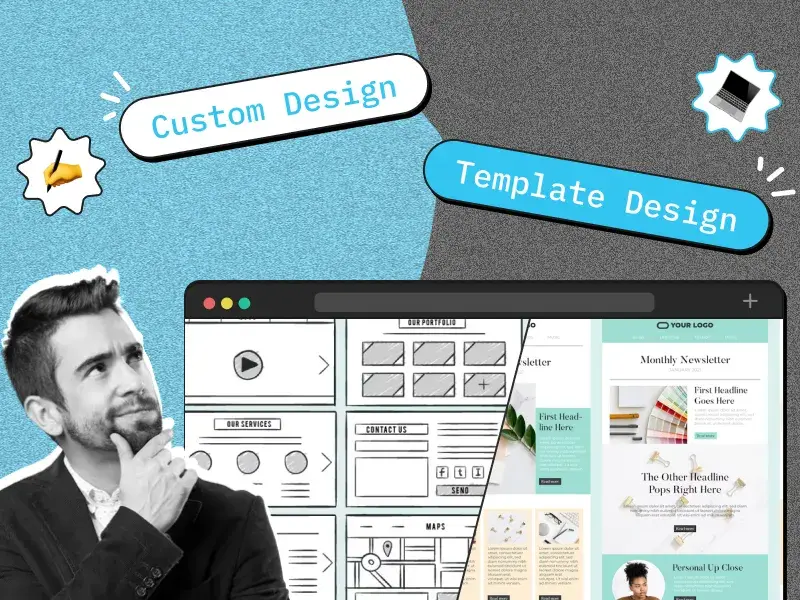
Once the strategy is set, the focus shifts to structuring the site’s content and user journey. This involves developing a sitemap and creating wireframes—low-fidelity representations of the layout and functionality. Information architecture ensures that navigation is intuitive, content is logically organized, and user actions are streamlined.
3. Visual Design
With wireframes approved, the design phase begins. This is where brand aesthetics are integrated into the interface, including color schemes, typography, iconography, and imagery. At Urban Designs, each visual element is crafted to reflect the client’s brand identity while enhancing usability and engagement across devices.
4. Development & Programming
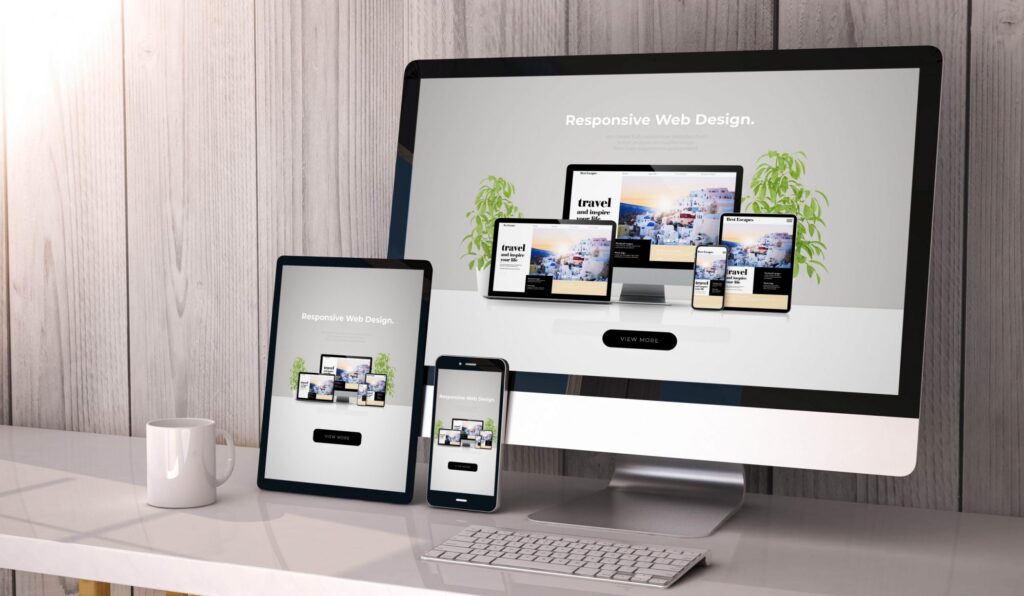
Following design approval, the development team converts the static visuals into a fully functional digital product. This involves front-end development (HTML, CSS, JavaScript) for responsive design, and back-end programming (often PHP, MySQL, or CMS frameworks) to ensure dynamic content delivery, database interactions, and system integrations. Code quality, page speed, and mobile optimization are key priorities.
5. Content Integration
At this stage, content—including copy, media, product data, and SEO metadata—is integrated into the site. Effective content implementation not only reinforces messaging but also supports organic search visibility and accessibility compliance.
6. Quality Assurance & Testing
Before a custom website is launched, it undergoes rigorous testing across multiple browsers, devices, and screen sizes. Functionality, responsiveness, security, and performance are thoroughly vetted. This phase often includes user acceptance testing (UAT) to validate usability from the client’s perspective.
7. Launch & Deployment
With testing complete and final client approval secured, the website is launched to its live environment. DNS settings are updated, SSL certificates are activated, and the final deployment checklist is executed. Post-launch monitoring ensures the site performs optimally during the critical initial days.
8. Ongoing Support & Optimization
Unlike static deliverables, websites require continual maintenance and iteration. Analytics, performance tracking, content updates, and technical support are essential for ensuring long-term value and adaptability. At Urban Designs, we offer maintenance packages and strategic support to ensure our clients’ sites evolve alongside their business goals.
A custom website is more than a digital brochure—it’s a strategic asset. At Urban Designs, we approach every build with a holistic methodology, ensuring that every layer—from backend code to front-facing design—supports your business vision with clarity and precision.
Ready to bring your digital presence to life?
[Let’s Get Started →]